
Last Updated: December 31, 2025
If you scroll through the most popular parenting blogs of 2026, you will notice a stark difference from the “Mommy Blogs” of a decade ago. Gone are the sepia-toned filters, the perfectly staged beige nurseries, and the detailed daily vlogs of toddlers’ tantrums.
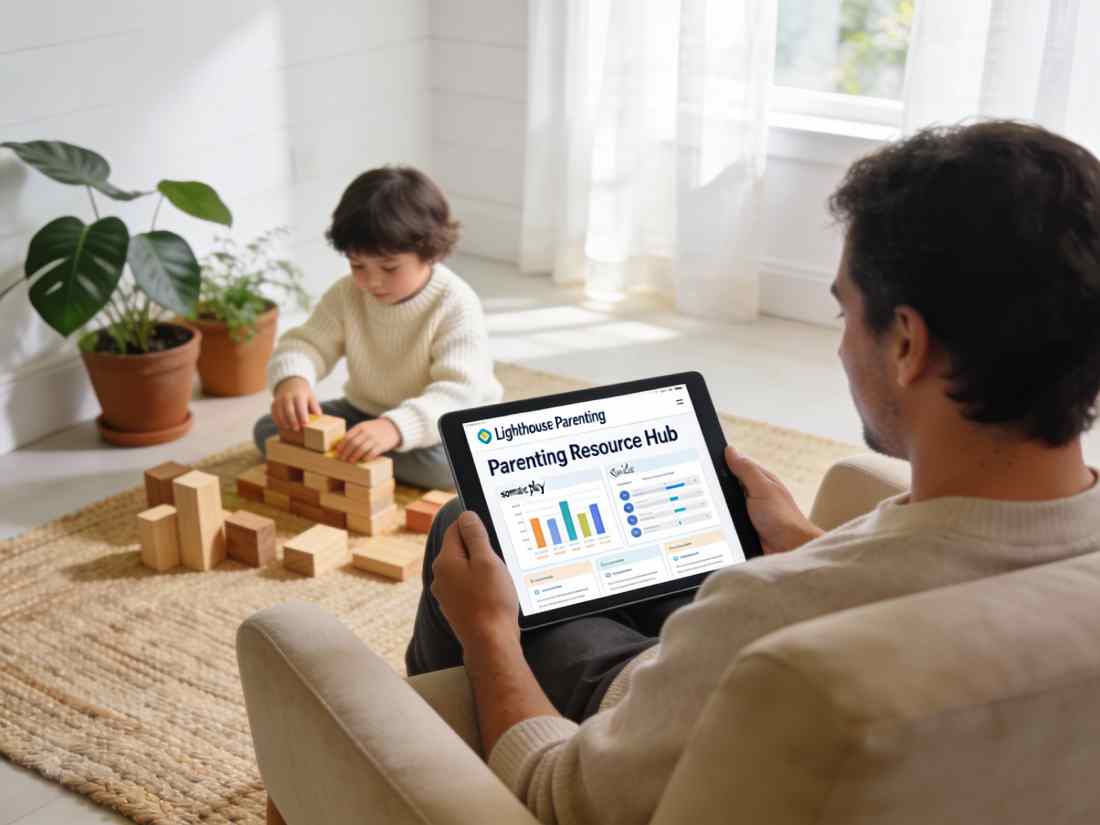
In their place, a new, more robust digital landscape has emerged. The leading parenting blogs of 2026 are no longer just digital diaries; they are data-driven resource hubs focusing on Neurodiversity, Somatic Wellness, and Digital Privacy.
For parents (and digital publishers) trying to navigate this shift, understanding where the advice is coming from is just as important as the advice itself. This deep dive analyzes the state of parenting blogs in 2026, offering a roadmap to the trends that actually matter.
The Death of “Sharenting” and the Rise of Privacy
The most significant shift in the 2025-2026 blogging landscape is the aggressive move away from “Sharenting”—the practice of parents over-sharing their children’s lives online.
In the early 2020s, an “authentic” blog meant showing everything: the tears, the potty training, the meltdowns. But as the “first generation of posted children” reached adulthood in 2024/2025, the backlash was swift.
- The Trend: Top blogs now use emojis to cover faces, or they don’t show children at all.
- The Content Pivot: Instead of showing the child, successful blogs now teach the parent. The focus has moved from “Watch my life” to “Here is a resource for yours.”
- Why it Matters: Readers in 2026 trust creators who protect their kids. Privacy has become a signal of authority and ethics.
Deep Dive: The 3 Pillars of Modern Parenting Content
1. The “Neurodiverse” Normal
In 2022, “ADHD” and “Autism” were niche categories. In 2026, they are the mainstream.
With diagnoses rising and awareness peaking, the most successful blogs today are those that offer “Sensory-Friendly” solutions for all kids, not just those with a diagnosis.
- Key Search Terms: “Dopamine menu for moms,” “Low-demand parenting,” “Sensory regulation activities.”
- The Shift: Blogs are moving away from behavior charts (rewards/punishments) toward “Nervous System Regulation” (co-regulation).
2. Lighthouse Parenting (The Anti-Helicopter)
After years of “Gentle Parenting” (which many parents found exhausting due to the constant scripting), 2026 sees the rise of Lighthouse Parenting.
- The Concept: Like a lighthouse, the parent is a stable figure with a beaming light (guidance), but they do not go down into the waves to save the boat (the child) unless it is crashing against the rocks.
- Blog Focus: Expect to see content about “Building Resilience,” “Independent Play,” and “Letting them Fail.”
3. Somatic Wellness & “The Repair”
The “Feelings Chart” on your own site is a prime example of this. Parents in 2026 are obsessed with Emotional Intelligence (EQ). The buzzword isn’t “Discipline”; it’s “Repair.”
- Content Angle: Blogs are teaching parents how to apologize to their kids and how to physically release stress (somatic shaking, breathing) rather than just “thinking” their way out of anxiety.
Case Study: The “Faceless” Pivot
To understand the business impact of these trends, we analyzed a leading parenting blog (anonymized as “The Calm Mom”) that underwent a strategic pivot in 2024.
The Before (2022-2023):
- Content: Daily vlogs of her 3 kids, “Day in the Life” reels, and fashion hauls.
- The Problem: Engagement was dropping. The comment section was filled with criticism about “child exploitation” and safety concerns.
- Traffic: Stagnant at 50k monthly visits.
The Pivot (2024-2025):
- The Change: She removed 90% of photos showing her kids’ faces.
- The New Strategy: She focused purely on “Resource Creation.” She started making PDF printables (Sensory checklists, Morning Routine cards) and writing SEO-heavy articles about managing parental anxiety.
- The Result (2026):
- Traffic: Exploded to 250k monthly visits.
- Revenue: Tripled. Instead of relying on brand deals (which require posting kids), she now sells digital products.
- Trust: Her audience grew because they felt she was “protecting” the family, which made her advice feel more genuine.
Key Takeaway: In 2026, Utility beats Vlogging. Parents want tools, not reality TV.
The Evolution of Parenting Trends (2022-2025)
The following table outlines how the dominant parenting philosophy has shifted year by year, driven by global events and digital culture.
Table: The 4-Year Parenting Shift
| Year | Dominant Philosophy | The “Enemy” | Top Blog Topic | Key Buzzword |
|---|---|---|---|---|
| 2022 | The “Safety” Era | Germs / Learning Loss | Homeschooling Hacks & Hygiene | “Social Distancing” |
| 2023 | The “Gentle” Peak | “Big Feelings” | Scripts for Tantrums (What to say) | “Cycle Breaker” |
| 2024 | The “Anxious” Era | Screens / Smartphones | Delaying Social Media (The Haidt Effect) | “Dopamine Detox” |
| 2025 | The “Lighthouse” Era | Over-Scheduling / Burnout | Independent Play & Nervous System Regulation | “Somatic Healing” |
2026 Prediction: The trend for 2026 is “Hybrid Analog.” Parents are using high-tech tools (AI meal planners, Apps) to facilitate low-tech childhoods (Mud kitchens, No-phone zones).